The Warning Is Not the Plan: What the Latest Alert Pulse Tells Us
The BeAware team just published new Alert Pulse numbers (3,730 warnings in a single week) and launched a new BeAware with satellite heat, storm tracking, and evacuation routes. Here’s what it all means for your plan.

Full disclosure before we start: BePrepared Solutions is a partner of this show. I’m writing about their new Alert Pulse report because the data is good and it’s free for anybody to read, not because anybody asked me to. You can look at all of it yourself at bepreparedsolutions.co/reports/alert-pulse.
If you haven’t seen it, Alert Pulse is a report series that comes out of the BeAware monitoring side of BePrepared. Every week and every month, they count the emergency warnings sent across the United States and then go find out what actually happened behind them — the floods, the fires, the storms, the evacuations. What I like is how they count. They count distinct warnings, not every repeat of the same message. They throw out the tests. And they publish what the data can’t answer right alongside what it can. That’s a level of honesty you don’t usually get from people who sell preparedness.
The new numbers
The newest weekly edition covers October 12 through 18 and was published October 20. In that one week there were 3,730 distinct warnings covering 3,078 counties. That’s about 3 percent more per day than the week before.
The September monthly report counted 24,439 distinct warnings across 3,757 counties. That’s actually down about a third per day from August, which had 37,931, and July was higher still at 42,499. So the summer peak is behind us. But read that again: even in a “quieter” month, nearly every county in the country got at least one warning. Quiet is relative.
What happened behind the warnings
Numbers are numbers. The stories are what got my attention, because every one of them is a regular family having a very bad day.
- Orange County, California: the Norte Fire damaged or destroyed at least six homes, and about 16,000 residents were ordered to evacuate. Schools dismissed early. One evacuated resident told the Associated Press, “This doesn’t usually happen to us, we usually see it on the news.”
- Kansas City: storms on October 13 knocked out power to about 62,000 customers. Trees blocked streets, a school canceled classes, and gusts in the Southern Plains reached 80 mph. Most power came back by the next morning — most, not all.
- The Outer Banks: Dare County ordered Hatteras Island visitors to leave, and on the Ocracoke ferry a wave came over and smashed an SUV’s windshield.
- Southeast Texas in September: families were rescued by boat from flooded homes in Livingston. A volunteer fire chief reported more than 20 impassable roads and said his crews were walking up to a mile to check on people. In Hardin County, 21 people had to be evacuated from an assisted-living facility, and volunteers were getting portable oxygen to elderly residents with the power out.
- Southern New Mexico: a flash flood emergency was declared for McLeod Dam after officials reported possible failure. It turned out to be a piping problem that was brought under control, but hundreds of people were ordered out while nobody knew that yet.
The line that stuck with me
Near the top of the weekly report there’s one sentence I keep coming back to. It says the warnings identified dangerous conditions and the evacuation orders told people to leave, “but those messages could not prevent damage or keep travel routes open.”
That’s the whole lesson in one line. A warning is not a plan. A warning tells you the clock has started. What happens next depends entirely on what you did before the warning ever came.
Think about that fire chief walking a mile to check on people. Think about the folks who needed oxygen when the power went out. The warnings went out the way they were supposed to. The families who did best were the ones who already knew where they were going, already had their medications and documents together, and already had a way to get by when the roads and the power weren’t there.
Know first, then have a plan
I spent 26 years as a cop, and one thing I learned is that the people who handle a bad situation well usually saw it coming a little sooner than everybody else. Not because they were smarter. Because they were paying attention to the right things.
That’s the part BeAware handles. Instead of waiting for a neighbor’s text, it watches more than 20 official sources and matches them to your actual address. Federal emergency alerts and National Weather Service warnings are checked every two minutes. Utility outages and wildfire perimeters are watched continuously. Internet and cell outages every five minutes, air and water conditions every hour. And it tells you in plain English instead of a NOAA bulletin, by web, email, text, or WhatsApp — however you want it.
But here’s my honest take: an alert you get faster is only worth something if you know what to do with those extra minutes. So use the warning as your trigger, not your plan.
What’s new in BeAware
The same day I was finishing this article, BePrepared announced that the new version of BeAware is live. They’re calling it comprehensive monitoring for your home, and here’s what they added:
- Satellite heat — fire and heat detection from space, so you can see what’s burning near you, not just what’s been officially reported.
- Global storm tracking — the big systems, watched from far off, before they’re your problem.
- Evacuation routes — given how many roads closed in the stories above, this is the one I’d look at first.
- Emergency radio — local emergency traffic, right in the dashboard.
- Live flights overhead — handy for knowing whether that helicopter over your neighborhood is a news crew, a medevac, or a search.
- Your street in 3D — a real look at the ground around your home: the low spots, the tree lines, the one road out.
Using those extra minutes
Tools like these buy you time and a better picture. What you do with that time is still up to you. Here’s where I’d start:
- Look up your county. The Alert Pulse reports let you check whether your county was in that week’s or month’s warnings. Find out what actually hits where you live — flood, fire, wind, or winter.
- Decide your “leave” point now. What would make you go? Write it down so you’re not debating it at two in the morning.
- Know two ways out. Floodwater and downed trees closed roads in almost every story above.
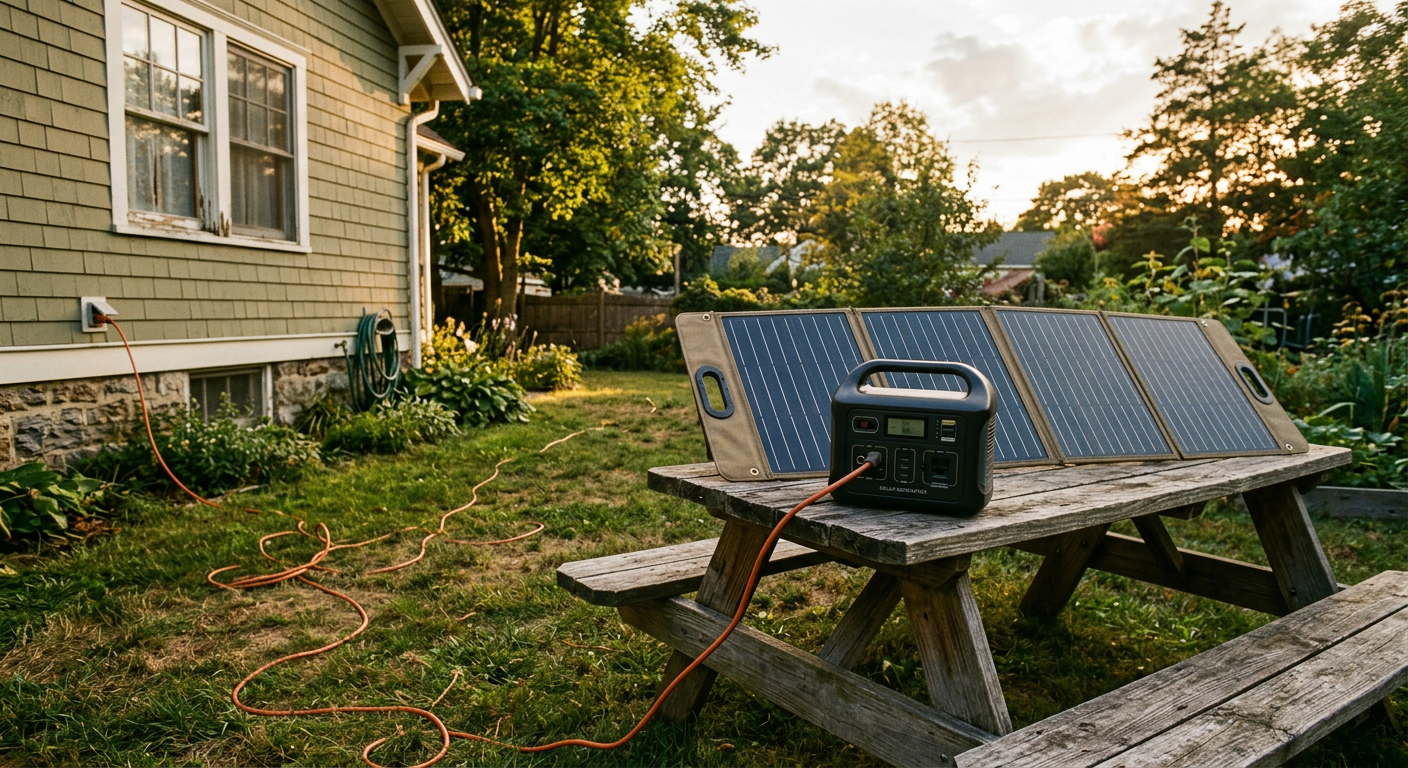
- Plan for the power being out longer than you’d like. Light, water, a way to keep phones charged, and a plan for anyone who depends on medical equipment.
- Keep a bag by the door. Medications, copies of documents, cash, chargers, and a change of clothes. If you need a starting point, our Get Home Bag checklist on the Resources page is a good one.
- Talk to your family. Everybody should know where you’ll meet and who calls whom if phones go down.
Bottom line
Nearly 4,000 warnings a week isn’t meant to scare you. It’s a reminder that emergencies aren’t rare events that happen to other people. They’re happening every single week, in places just like yours, to people who “usually see it on the news.”
Check your address, know your local risks, and put a simple plan together before the next warning shows up. If you want to try the new BeAware, it’s free for seven days with no credit card at bepreparedsolutions.co/trial. Either way, do the plan. The warning will take care of itself. The plan won’t.