The Corn Index: Prepping as a Hedge Against Inflation
The first prep I ever bought was a can of corn for 48 cents. Last week that same can was 84 cents. That one can taught me more about inflation than any news report.
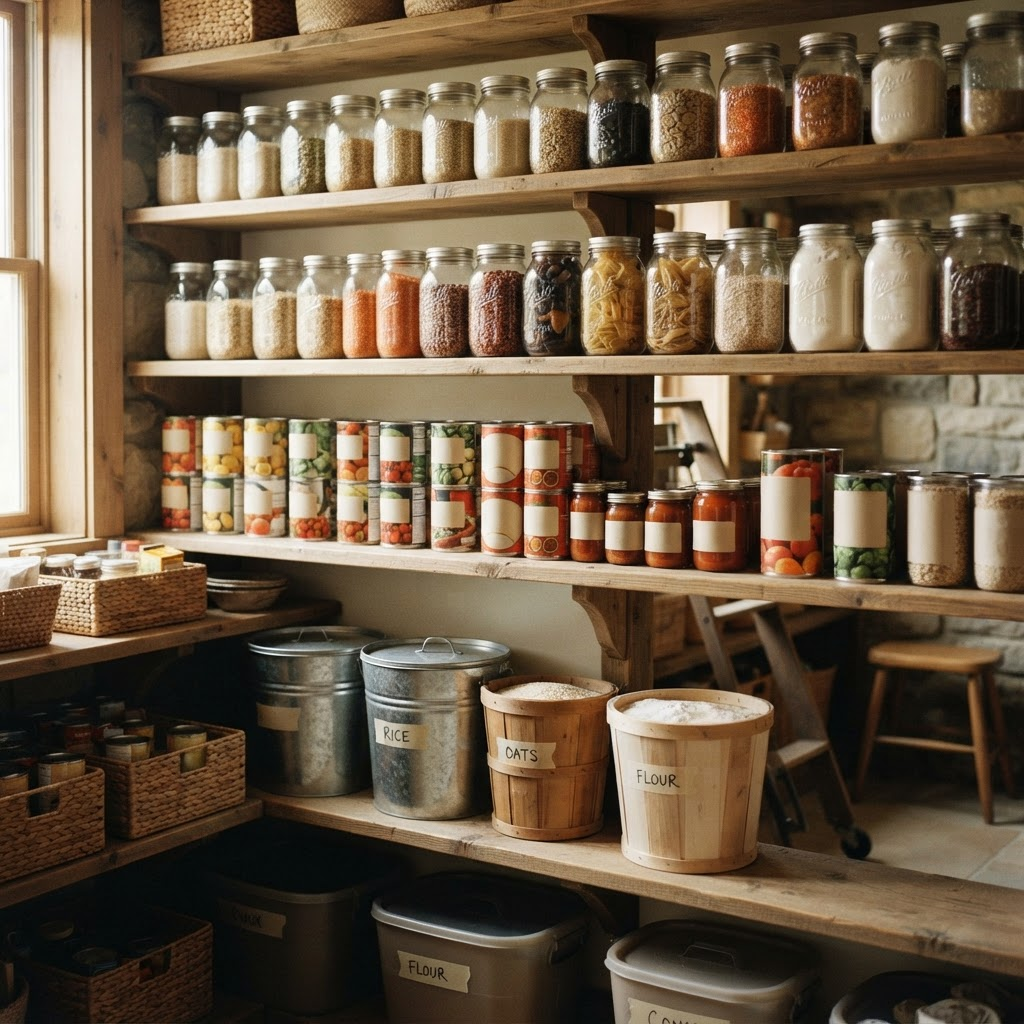
When I started prepping, I didn’t start with a bug-out bag or a generator. I started in the canned vegetable aisle at Walmart. The very first food item I bought for my pantry was a can of corn. It cost 48 cents.
I don’t know exactly why, but I kept an eye on the price of that same can every time I was in the store. Same brand, same size, same shelf. It became a habit, and eventually it got a name in my house: the Corn Index.
Last week, that same can of corn was 84 cents.
What one can of corn tells you
Going from 48 cents to 84 cents is a 75 percent increase. Nothing about the corn changed. It’s not better corn. It’s not a bigger can. The only thing that changed is what my dollar can buy.
That’s what inflation actually is when you strip away the charts and the politics. It isn’t a number on the evening news. It’s standing in the same aisle, picking up the same can, and paying more for it. You don’t need an economics degree to understand the Corn Index. You just need to have bought groceries in the last few years.
Your pantry is a savings account that keeps up
Here’s the part most people miss. Every can of corn I bought at 48 cents is still sitting on a shelf doing its job. When I open one today, I’m eating an 84-cent can of corn that I paid 48 cents for. I locked in that price the day I bought it.
Put that same 48 cents in a coffee can or a basic savings account, and it’s still 48 cents. It buys less every year. Food you will actually eat doesn’t lose value that way. It keeps its usefulness, and the money you would have spent replacing it later stays in your pocket.
I’m not a financial advisor, and I’m not telling you to cash out your retirement and buy a truckload of canned goods. I’m telling you that a well-stocked pantry is one of the few places a regular family can quietly protect itself from rising prices without any special knowledge or account.
How to make it work without wasting money
A pantry only hedges inflation if you eat what’s in it. Food that expires in the back of a closet isn’t an investment — it’s trash you paid for early. A few rules keep it honest:
- Buy what you already eat. If your family doesn’t eat it today, it doesn’t belong on the shelf.
- Buy a little extra every trip. One or two extra cans a week adds up faster than you think, and it doesn’t wreck the budget.
- Stock up on sales. When something you use regularly goes on sale, that’s the time to buy deeper.
- Rotate. New cans go in the back, old cans come out the front. First in, first out.
- Watch the dates. Know roughly how long your staples last and plan to use them well before then.
Start your own index
Pick one item you buy all the time — a can of corn, a bag of rice, a jar of peanut butter, a pound of coffee. Write down what you paid for it today and the date. Next time you’re in the store, check it again. Keep doing it.
It sounds small, and it is. But after a year or two, you’ll have something no news report can give you: your own honest record of what’s happening to your money. And every time that number goes up, you’ll be glad you already have some on the shelf.
That’s the Corn Index. Forty-eight cents to eighty-four cents. Same can. Same aisle. The best time to start your pantry was when that can was cheaper. The next best time is this week.